What Does Speech Therapy Involve?
Speech therapy is not simply about teaching someone to “speak better.” Communication is complex, and treatment may address several different skills depending on the individual’s needs.
Speech and Articulation
For children who have difficulty producing certain sounds, therapy may identify which sounds are affected and why. The therapist can then use age-appropriate activities to improve sound production, coordination, and intelligibility.
Language Development
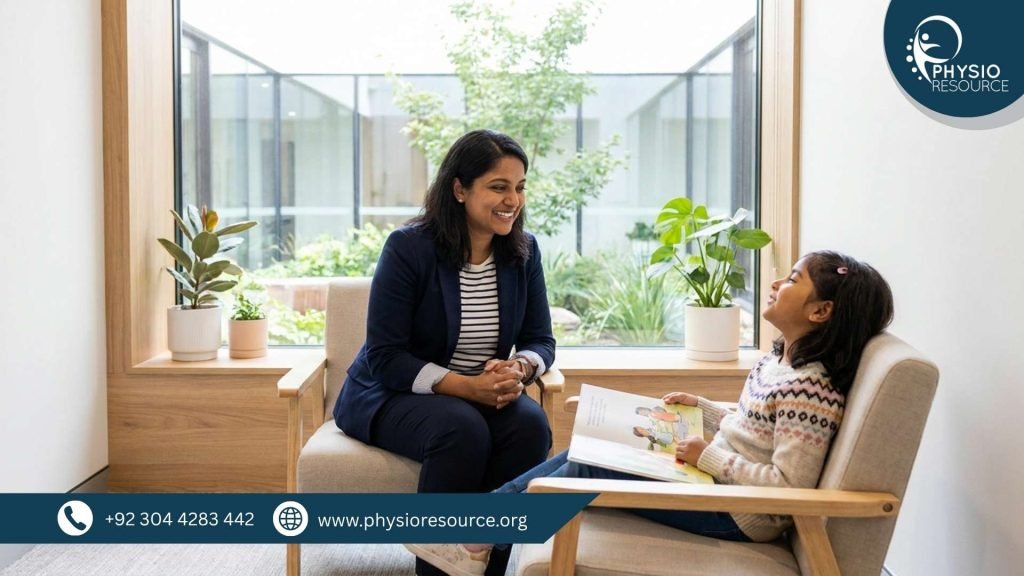
Some children understand more than they can express, while others have difficulty understanding instructions, questions, vocabulary, or conversations. Therapy may work on receptive and expressive language skills in a structured and engaging way.
Fluency
For individuals who stammer, therapy may focus on communication strategies, speech patterns, confidence, and reducing the impact of stammering on everyday communication.
Neurological Communication Rehabilitation
Adults can develop communication difficulties following a stroke, traumatic brain injury, or neurological condition. For someone with aphasia, therapy may target speaking, comprehension, reading, writing, naming, and functional communication.
Voice Therapy
Changes in voice can affect communication at work, school, or home. Assessment can help identify the nature of the voice difficulty and develop strategies to support healthier and more effective voice use.
Swallowing and Feeding
Speech-language professionals can also be involved in swallowing rehabilitation. Dysphagia should be taken seriously, particularly when a person coughs or chokes during meals, has difficulty swallowing, or experiences unexplained changes in eating.
Treatment should be based on an appropriate assessment rather than simply recommending exercises without identifying the underlying problem.
Our Approach at Physio Resource
At Physio Resource, we believe effective therapy begins with understanding the person—not simply the diagnosis.
An initial assessment may consider:
- Communication and speech concerns
- Understanding and use of language
- Speech sound production
- Fluency
- Voice characteristics
- Oral-motor function where clinically relevant
- Feeding or swallowing concerns
- Hearing and communication history
- Developmental or medical history
- Communication at home, school, or work
- Individual and family goals
For children, assessment may also consider their developmental stage and how they communicate during play and everyday activities.
Once the assessment is complete, the therapist can establish realistic goals and develop a personalized intervention plan.
Family Involvement Matters
For children especially, progress does not happen only inside the therapy room.
Parents and caregivers can play an important role by practicing recommended strategies during everyday routines. This may include encouraging communication during play, reading together, giving the child appropriate opportunities to respond, and using techniques recommended by the therapist.
For adults recovering from neurological conditions, family members can also support communication practice and help create opportunities for meaningful interaction.
How Often Is Speech Therapy Needed?
There is no universal number of sessions.
Some people may benefit from short-term therapy, while children with developmental or neurological conditions may require longer-term support. Frequency depends on the
individual’s diagnosis, goals, progress, age, and response to intervention.
Regular reassessment is important because therapy goals should change as the person develops new skills.
The objective is not simply to attend a certain number of sessions. The goal is to achieve functional improvements that make communication and daily life easier.
Why Choose Physio Resource for Speech Therapy?
Choosing a speech therapy provider is an important decision, particularly when therapy involves a child or someone recovering from a neurological condition.
At Physio Resource in Gulberg, Lahore, our approach emphasizes:
- Individualized assessment
- Goal-oriented intervention
- Developmentally appropriate therapy for children
- Functional communication skills
- Family and caregiver involvement
- Progress monitoring
- Personalized home strategies where appropriate
- A multidisciplinary rehabilitation perspective
Our rehabilitation environment allows treatment plans to be developed around the
individual’s actual functional needs rather than relying on a one-size-fits-all approach.
For children with conditions such as Cerebral Palsy, Autism, or Down Syndrome, communication difficulties can sometimes occur alongside physical or developmental challenges. Considering the whole child can therefore be valuable when planning rehabilitation.
Similarly, adults with Aphasia or Dysphagia may have broader rehabilitation needs that require coordination with other healthcare professionals.
When Should You Consider Speech Therapy?
You may want to seek a professional assessment if:
- Your child’s speech is difficult to understand for their
- Your child is having persistent difficulty communicating their
- Your child struggles to understand or use
- A child frequently repeats sounds or words or becomes distressed while
- An adult develops sudden or persistent communication
- Someone has difficulty swallowing, coughing, or choking during
- Your voice has changed persistently without an obvious
- Communication difficulties are affecting school, work, relationships, or daily
Early assessment does not necessarily mean a person will need long-term therapy. It simply provides a clearer understanding of what is happening and what support, if any, may be appropriate.
Schedule an Appointment
Communication difficulties can affect confidence, education, relationships, independence, and quality of life. The right assessment can help you understand the problem and identify appropriate next steps.
If you or your child is experiencing difficulties with speech, language, fluency, voice, communication, or swallowing, schedule an appointment at Physio Resource in Gulberg, Lahore for a personalized assessment and rehabilitation plan.
Physio Resource — helping children and adults communicate with greater confidence, clarity, and independence.
Physio Resource
Phone No: 0304-4283442
Address: 93-A1, Gurumangat Road, Gullberg, III Lahore