

Causes, Treatment & When to See a Physiotherapist
If you feel dizzy when you lie down, roll over in bed, or sit up suddenly, don’t ignore it. This type of dizziness is often caused by Benign Paroxysmal Positional Vertigo (BPPV), an inner ear condition that triggers brief episodes of spinning with certain head movements. However, dizziness can also result from vestibular disorders, low blood pressure, neck problems, or neurological conditions. The good news is that many causes of positional dizziness can be treated successfully with early assessment and specialized physiotherapy.
At Physio Resource in Gulberg, Lahore, our experienced rehabilitation team provides evidence-based vestibular rehabilitation to help patients regain balance, reduce dizziness, and improve their quality of life.
Why Do I Feel Dizzy When I Lie Down?
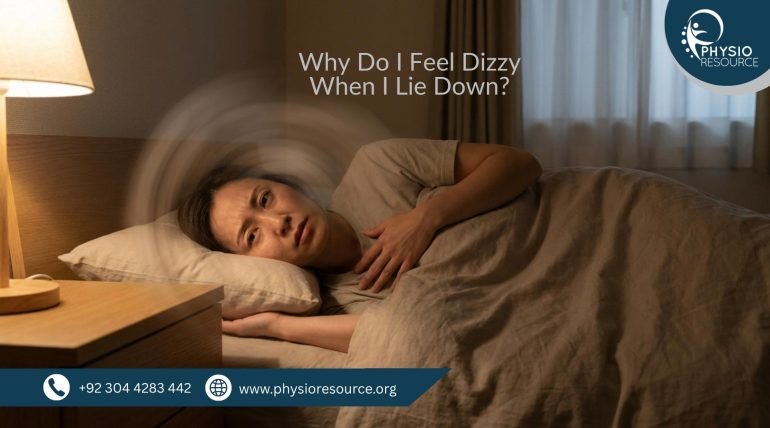
When you lie down or turn your head in bed, tiny crystals inside your inner ear may move into the wrong position. This can send incorrect signals to your brain, making you feel as though the room is spinning, even though you’re not moving.
The dizziness usually lasts for a few seconds to a minute and may improve once you stay still. Although BPPV is one of the most common causes, dizziness should always be evaluated to rule out other medical conditions.
If you’re searching for the Best Physiotherapist in Lahore, an early assessment can identify the cause of your dizziness and help you recover more quickly.
You may also like: Why Elderly Parents in Lahore Slow Down Before Knee Pain Starts: Early Signs Families Should Notice
Common Causes of Dizziness When Lying Down
Several conditions can cause positional dizziness, including:
- Benign Paroxysmal Positional Vertigo (BPPV)
- Inner ear (vestibular) disorders
- Low blood pressure
- Cervical (neck-related) dizziness
- Migraine-associated vertigo
- Medication side effects
- Neurological conditions
- Anxiety that may worsen dizziness symptoms
Because treatment depends on the underlying cause, a professional evaluation is essential.
Warning Signs You Should Never Ignore
Seek immediate medical attention if dizziness is accompanied by:
- Sudden weakness or numbness
- Difficulty speaking
- Double vision or loss of vision
- Severe headache
- Chest pain
- Loss of consciousness
- Difficulty walking that is new or severe
These symptoms may indicate a medical emergency and require urgent assessment.
If your dizziness occurs only with changes in head position but keeps returning, it’s still important to seek professional care before it affects your balance and daily activities.
Can Physiotherapy Help?
Yes. Vestibular physiotherapy is one of the most effective treatments for BPPV and many balance disorders.
At Physio Resource, your personalized rehabilitation program may include:
- Comprehensive balance and vestibular assessment
- Canalith repositioning maneuvers (when appropriate for BPPV)
- Vestibular rehabilitation exercises
- Balance and gait training
- Neck mobility and posture correction if needed
- Fall prevention strategies
- Personalized home exercise program
If you’re looking for the Best Female Physiotherapist in Lahore, our experienced team also provides compassionate, individualized rehabilitation for women experiencing dizziness, balance problems, and vestibular disorders.
Tips to Manage Dizziness Safely
These simple steps can help reduce your risk of falls while awaiting assessment:
- Move slowly when getting in or out of bed.
- Sit on the edge of the bed for a few seconds before standing.
- Stay well hydrated.
- Avoid sudden head movements if they trigger dizziness.
- Remove tripping hazards at home to reduce the risk of falls.
- Do not drive or climb heights if you’re experiencing severe dizziness.
Parents often seek the Best Child Specialist in Lahore for their children’s health, but adults should also seek timely care when dizziness begins affecting sleep, balance, or everyday activities.
Why Choose Physio Resource?
At Physio Resource, we provide personalized, evidence-based rehabilitation for vestibular disorders, neurological conditions, and musculoskeletal problems. Our experienced team focuses on identifying the root cause of dizziness and creating a treatment plan that restores balance, confidence, and independence. Conveniently located in Gulberg, Lahore, we are committed to delivering high-quality patient care. This article is clinically reviewed by Dr. Ahmed Bilal, an experienced rehabilitation expert dedicated to helping patients achieve the best possible recovery.
Schedule an Appointment
If you feel dizzy whenever you lie down, roll over in bed, or change your head position, don’t ignore the symptoms. Early assessment and vestibular rehabilitation can help relieve dizziness, improve balance, and prevent falls.
Schedule an appointment today at Physio Resource in Gulberg, Lahore, and let our experienced rehabilitation team help you overcome dizziness and return to your daily life with confidence.
Contact us
Physio Resource
Phone No: 0304-4283442
Address: 93-A1, Gurumangat Road, Gullberg, III Lahore
Frequently Asked Questions (FAQs)
Why do I feel dizzy only when I lie down?
The most common cause is Benign Paroxysmal Positional Vertigo (BPPV), where tiny crystals in the inner ear move out of place and trigger brief spinning sensations with head movements.
Can physiotherapy treat dizziness caused by BPPV?
Yes. Vestibular physiotherapy, including repositioning maneuvers and balance exercises, is highly effective for many people with BPPV.
Is dizziness when lying down a serious problem?
It can be harmless in some cases, but if it’s persistent, recurrent, or associated with symptoms such as weakness, vision changes, or difficulty speaking, you should seek urgent medical care.
How long does positional vertigo last?
Individual episodes usually last a few seconds to one minute, but the condition may continue until it is treated.
Where can I find the Best Physiotherapist in Lahore for dizziness and balance disorders?
Physio Resource in Gulberg, Lahore offers evidence-based vestibular rehabilitation and physiotherapy for dizziness, balance disorders, and neurological conditions under the clinical guidance of Dr. Ahmed Bilal.

