

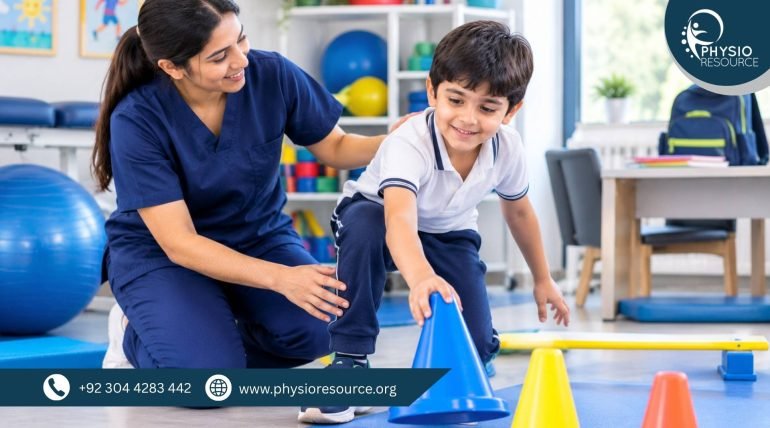
Does your child struggle to climb stairs, hold a schoolbag, write in class, or join friends during play because of joint pain? Juvenile arthritis can affect much more than a child’s joints. Morning stiffness, fatigue, swelling and reduced mobility may interfere with school attendance, sports and everyday independence. But with the right medical care, individually tailored physiotherapy and practical support, many children can work towards staying active and participating more comfortably in daily life.
At Physio Resource, Gulberg, Lahore, we believe children with juvenile arthritis deserve care that supports not only their physical movement but also their confidence, independence and quality of life.
What Is Juvenile Arthritis?
Juvenile idiopathic arthritis (JIA) is a group of inflammatory conditions that cause persistent joint inflammation in children. Symptoms may include joint swelling, morning stiffness, pain, fatigue and difficulty moving affected joints.
Some children experience symptoms that fluctuate, with periods of increased inflammation known as flares. Because inflammation can sometimes be present even when pain is mild, treatment should be coordinated with a pediatric rheumatologist.
How Can Pediatric Physiotherapy Help?
A personalised physiotherapy programme can support movement and physical function while respecting the child’s symptoms and medical needs.
1. Gentle Mobility Exercises for Morning Stiffness
Gentle, comfortable range-of-motion exercises may help children move stiff joints more easily. A physiotherapist can demonstrate age-appropriate movements and help parents understand when to modify activities during painful periods.
2. Progressive Strengthening Without Overloading Joints
Appropriately prescribed strengthening exercises can help maintain muscle function, support joint stability and improve everyday activities. Exercise intensity should be adjusted to the child’s symptoms, inflammation and medical advice.
3. Low-Impact Activities for Fitness and Confidence
Walking, cycling or swimming may be suitable for some children, depending on their condition. Aquatic exercise can provide a supportive environment for movement, although it is not appropriate for every child or every stage of a flare.
4. School-Specific Movement Strategies
Physiotherapy can address practical challenges such as climbing stairs, sitting comfortably, carrying school materials and participating in physical education. Activity breaks, suitable seating and temporary school adjustments may help reduce unnecessary strain.
5. Pacing, Energy Conservation and Flare Management
Children may need to balance activity with rest when fatigue or symptoms increase. A physiotherapist can help families develop a flexible activity plan, recognise when to reduce exercise intensity and gradually resume usual activities when appropriate.
Important: Exercise should not be forced through significant pain or an active inflammatory flare. A sudden increase in swelling, warmth, pain or reduced movement warrants medical advice.
Also, read: My Child Keeps Tripping and Struggles to Catch a Ball – All you need to Know
What Makes an Individualised Physiotherapy Plan Different?
Effective pediatric rehabilitation is not simply a list of exercises. It considers the child’s age, affected joints, strength, mobility, fatigue, school routine and personal goals.
Depending on the assessment, an evidence-informed programme may combine therapeutic exercise, functional movement training, joint-protection education, activity pacing and family guidance. Progress can be monitored through practical goals, such as walking more comfortably, managing school activities or returning gradually to a favourite game.
No single advanced technique is suitable for every child. The priority is safe, measurable improvement coordinated with the child’s medical treatment.
Looking for Pediatric Physiotherapy in Lahore?
At Physio Resource, Dr. Ahmed Bilal and the physiotherapy team can discuss your child’s movement difficulties and whether an individualised physiotherapy assessment may be appropriate.
When choosing a pediatric physiotherapist in Lahore, look for verified professional qualifications, experience working with children and a willingness to coordinate care with the child’s medical team. Families searching for the best physiotherapist in Lahore, a best female physiotherapist, or a child specialist in Lahore should confirm the practitioner’s relevant qualifications and scope of practice.
Contact us
Physio Resource
Phone No: 0304-4283442
Address: 93-A1, Gurumangat Road, Gullberg, III Lahore
Frequently Asked Questions
1. Can physiotherapy cure juvenile arthritis?
No. Physiotherapy does not cure JIA, but it may help improve mobility, strength, physical function and participation in everyday activities alongside appropriate medical treatment.
2. Should my child exercise during an arthritis flare?
Activity may need to be modified during a flare. Avoid forcing painful movements and consult your child’s treating clinician about appropriate activity levels.
3. Can children with juvenile arthritis participate in sports?
Many children can participate in suitable physical activities when their condition is well managed. The choice of activity should reflect joint involvement, symptoms and medical guidance.
4. How often should my child attend physiotherapy?
Frequency depends on the child’s needs, symptoms, goals and response to treatment. The physiotherapist can recommend an appropriate schedule after assessment.
5. Where can I discuss pediatric physiotherapy in Lahore?
Contact Physio Resource, Gulberg III, Lahore, at +92 304 4283442 to discuss your child’s movement concerns and assessment options.
About the Author
Dr. Ahmed Bilal — Physiotherapist, Physio Resource
Dr. Ahmed Bilal is the author of this educational article. His role is to help families understand pediatric movement concerns and the potential role of physiotherapy in rehabilitation.
Clinical recommendations should be based on an individual assessment and coordinated medical care. Please add Dr. Bilal’s verified qualifications, professional certifications and relevant pediatric rehabilitation experience to this author profile before publication.


One thought on “My Child Has Juvenile Arthritis: How Can Physiotherapy Support School and Play?”